

Online in Boston & Across MA
Identity therapy for daughters of immigrants

You don’t have to choose between honoring your roots and being fully yourself. Let’s redefine authenticity on your own terms.
Does it feel like you’re constantly shape-shifting just to fit in?
Being a daughter of immigrants means carrying a lot—and never really feeling like you belong anywhere.
Belonging shouldn’t have to come at the cost of authenticity.
You’re grateful for where you come from—but sometimes, you just want space to figure out who you are.
Does it feel like you’re always balancing who you are at home with who you are in the world—especially when your cultural or religious identity, like being Muslim, adds another layer that others just don’t see?
You’ve spent your life trying to be everything for everyone—but you’re not sure who you are underneath it all.
You’ve worked hard to honor your family’s sacrifices. You’ve learned how to read the room, speak carefully, keep the peace. At work, you’re seen as polished and driven. At home, you’re the good daughter who doesn’t make waves.
You might find yourself thinking, “They only know a fraction of who I am,” or feeling like you’re constantly translating your life between cultures.
But inside, it feels like something’s missing.
Maybe you feel like…
You’re constantly code-switching, unsure which version of yourself is the “real” one
You filter your thoughts and feelings, especially around family or faith, because some things just can’t be said
You carry guilt for wanting space—even if that space is the only place you can breathe
You feel alone in your experience, even when surrounded by people who love you
You’re tired of living up to expectations that don’t quite match who you are or want to be
It’s not that you’re ungrateful. You love your family. You’re proud of where you come from. But you’re ready for your identity to feel less like a performance—and more like a place you can rest.
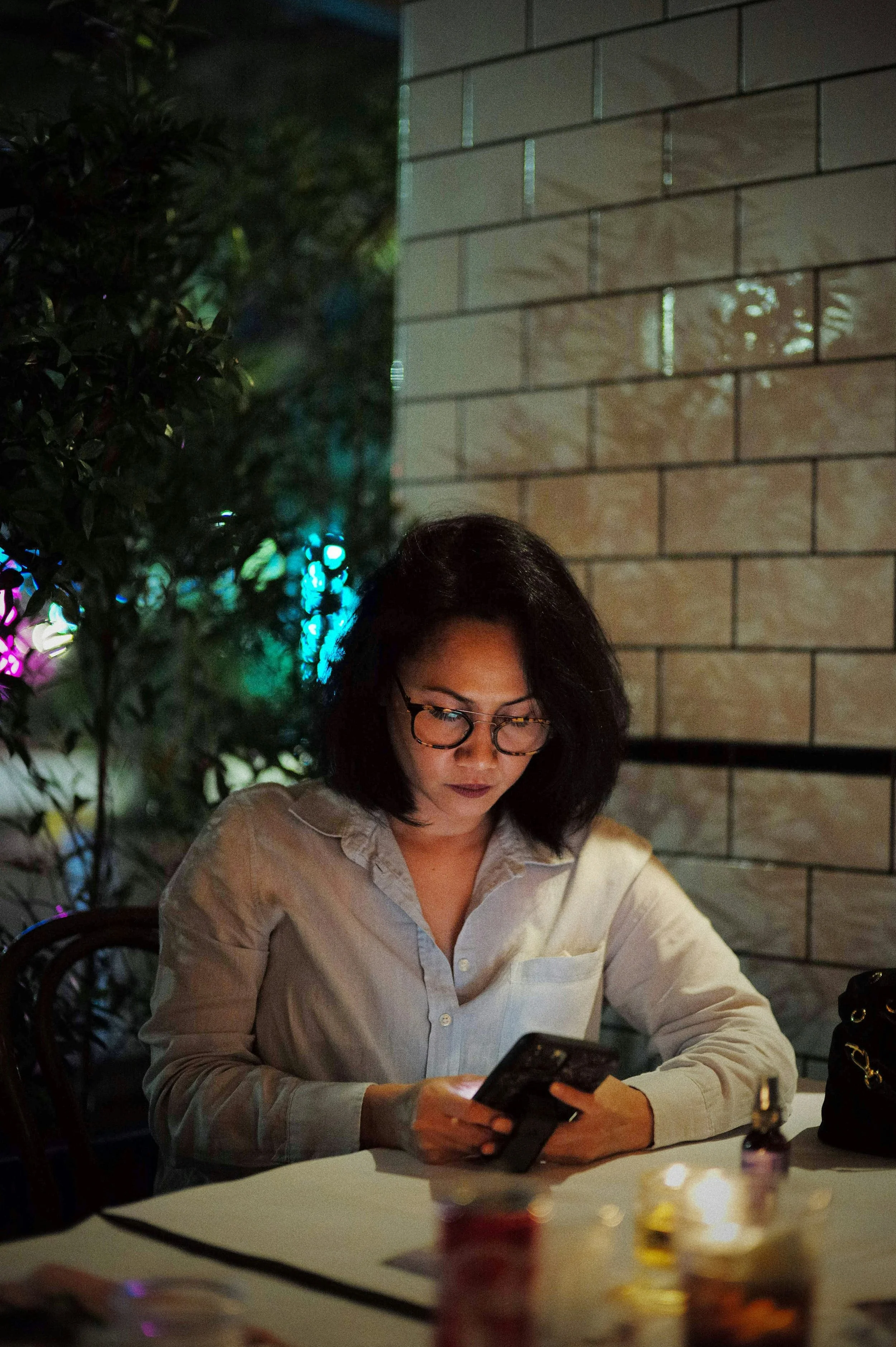
When you’re constantly navigating who you need to be in different spaces, it starts to wear on you—whether you realize it or not.
You might notice:
Your relationships feel strained. It’s hard to let people truly know you when you’re still figuring out who you are—or when parts of you have always been hidden to stay “respectable.”
You overthink everything. From how you speak at work to how you respond to a family text, you’re always double-checking yourself.
You feel disconnected from your body. Rest feels unsafe. Saying no feels selfish. You may push yourself to the point of burnout before admitting something’s wrong.
You question your worth. Even when you’re doing well on paper, you wonder: “Do I really belong here? What will they think if they see the real me?”
You’ve been stuck in the push-pull between family vs. self—always trying to be respectful without losing yourself. And that emotional tug-of-war takes a toll—not because there’s something wrong with you, but because you were never meant to carry all of this alone. [this should go at end, below these bullets, not to the left of them.

Helping you feel whole in a world that’s asked you to split yourself.
You won’t have to explain what it’s like to straddle cultures or carry the pressure of being the eldest daughter—I get it, because I’ve lived it.
In our work together, your full complexity won’t just be accepted—it’ll be celebrated. You won’t have to choose between staying loyal to your family and honoring your needs. Instead, we’ll build a version of identity that makes room for all of you.
We’ll explore how your identity as a daughter of immigrants shapes everything: your anxiety, your people-pleasing, your guilt, your need to succeed. Understanding that these patterns aren’t personal flaws—but deeply rooted responses to cultural and family dynamics—can unlock profound self-compassion. And as that compassion grows, so does your capacity to care for your community without abandoning yourself.
You’ll also gain tools to navigate career dynamics with more clarity. Whether it’s managing workplace politics, reading between the lines with your boss, or knowing how to show up authentically in spaces that weren’t built with you in mind—you’ll feel more grounded, more equipped, and less like you’re walking on eggshells.
Through identity therapy, you’ll stop seeing your layered identity as a conflict to solve—and start living from it as a strength. You’ll define boundaries that actually work in your life, deepen your relationships, and move through the world with intention and belonging—not because you’ve picked a side, but because you’ve chosen to belong fully to yourself.

How Our Work Helps You Feel Rooted in Who You Are
My approach blends Internal Family Systems (IFS), relational-cultural therapy, attachment theory, feminist therapy, and strengths-based work—all through a culturally responsive lens. You won’t have to explain or defend your experiences here.
-
Understand the parts of you that push, protect, or people-please—and meet them with compassion, not shame.
-
Name the resilience you already carry and use it as a foundation for healing and growth.
-
Define who you are on your own terms—outside of others’ expectations or cultural pressures.
-
Learn how your early relationships may still shape how you show up with others—and build the skills to set boundaries, communicate your needs, and feel more secure in connection.
-
Feel grounded and self-assured—even in spaces where you’ve been taught to stay small or stay silent.
In therapy, we’ll focus on:
Therapy for Identity Work Can Help You…
Understand how your mental health is shaped by your cultural and family context
Trust your inner voice—even when it feels different from what you were raised with
Set boundaries without guilt, even in family systems that expect self-sacrifice
Navigate work, relationships, and community with more clarity and confidence
Feel grounded in your values, even when they don’t match your family's
Let go of shame and self-blame for simply wanting something different
Reconnect with parts of yourself you’ve hidden to keep others comfortable
Speak up in high-stakes spaces—without shrinking or second-guessing
Hold compassion for both your growth and your family’s limitations
Belong to yourself, instead of constantly trying to fit in

It’s possible to feel proud of who you are—even when your path looks different from what you were taught.
Frequently Asked Questions
-
Identity therapy goes beyond surface-level affirmations. It helps you understand how your cultural background, family roles, and lived experiences shape your mental health. You’ll begin to see that your anxiety, people-pleasing, or perfectionism aren’t personal flaws—they’re responses to being raised in multiple worlds. This awareness is what makes healing possible.
-
Absolutely. Whether you're seeking culturally sensitive therapy, immigrant therapy, or Muslim therapy, honoring your values is a core part of the work. This isn’t about choosing between your culture and your growth—it’s about learning how to hold both with integrity. We’ll create a safe, nonjudgmental space to explore your thoughts, emotions, and identity, so you can feel more grounded in your own voice.
-
Many first-gen clients say working with a culturally responsive therapist feels like a relief. You don’t have to explain what it means to be the eldest daughter, to navigate conflicting expectations, or to feel stuck between cultures. I bring both clinical training and lived experience to the work—so you’ll be seen in your full complexity.